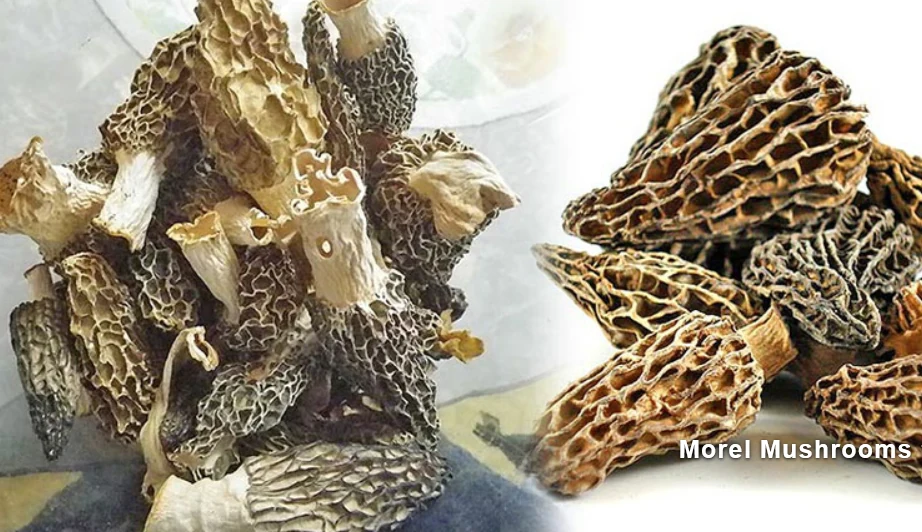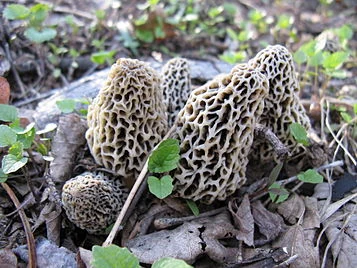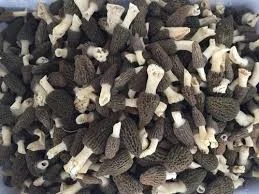
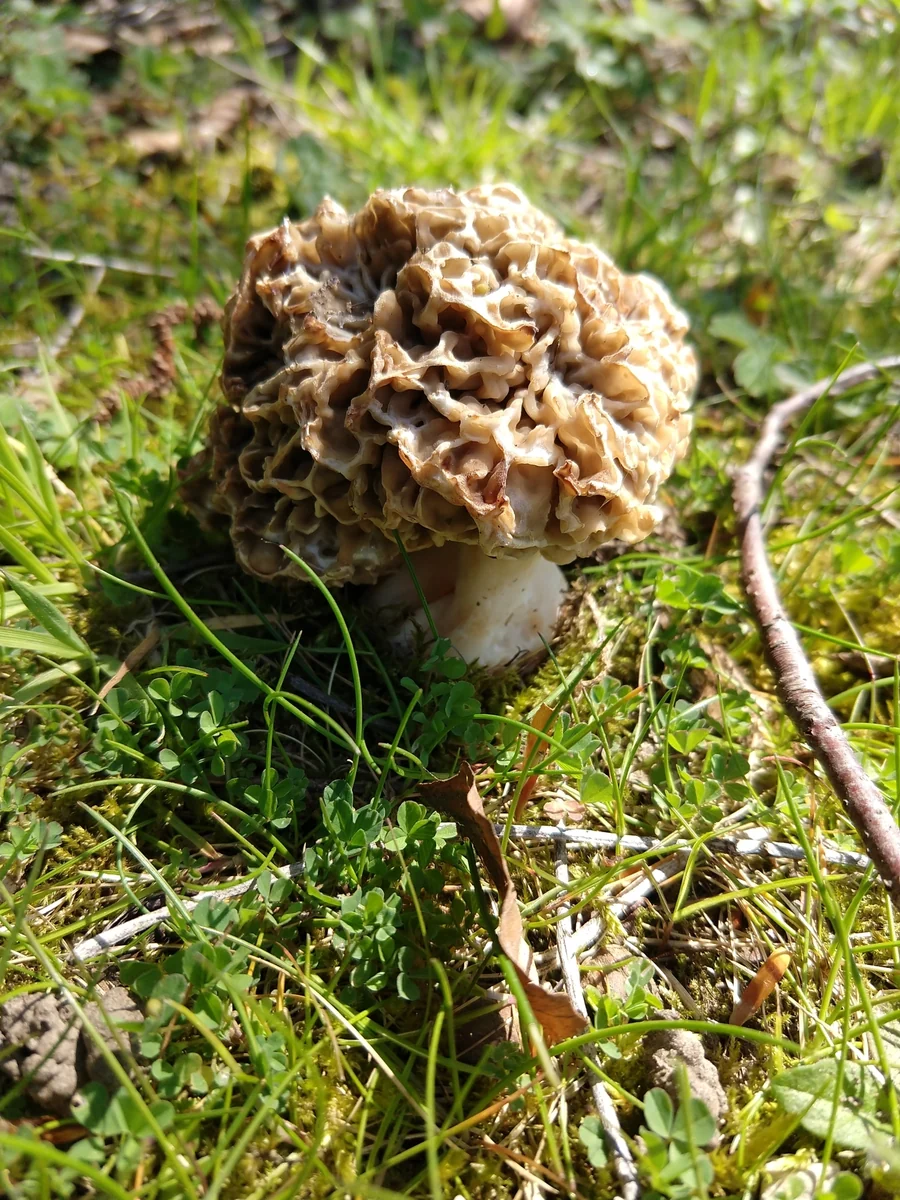
What makes a morel distinctive?
True morels belong to the genus Morchella. Their caps have a network of pits and ridges that creates the familiar honeycomb appearance. In Himalayan trade, the word gucchi is widely used for these valuable wild mushrooms.
Academic research from India describes morels as manually collected wild food that is commonly dried for storage and trade. Because a natural harvest varies, size, colour, cleanliness, breakage and aroma can differ from lot to lot.
Flavour and culinary use
Morels bring a savoury, earthy and gently nutty depth. Their hollow structure and ridged surface take up gravies and sauces well, which is why they work in:
- Rich Indian gravies and gucchi preparations
- Pulao, rice dishes and festive menus
- Cream or butter-based sauces
- Stuffed or slow-cooked dishes
How to prepare dried morels
- Inspect: check each piece and remove any visible forest debris.
- Rehydrate: soak in clean water until pliable; time varies with size and dryness.
- Clean: agitate gently and rinse as needed because the cap can hold grit.
- Cook thoroughly: never eat morels raw or undercooked.
Food-safety note: Morels must be correctly identified and fully cooked. Alcohol may increase sensitivity in some people. This page provides general culinary information, not medical advice.
Buying questions worth asking
- Is the lot whole, mixed-size or broken?
- What are the approximate size and colour characteristics?
- How clean is the lot, and what sorting has been done?
- What quantity is currently available?
- How should this particular lot be stored?